

Why Regular Pond Maintenance Matters
A pond is a delicate ecosystem that needs regular attention to stay balanced.
Without maintenance, common problems include:
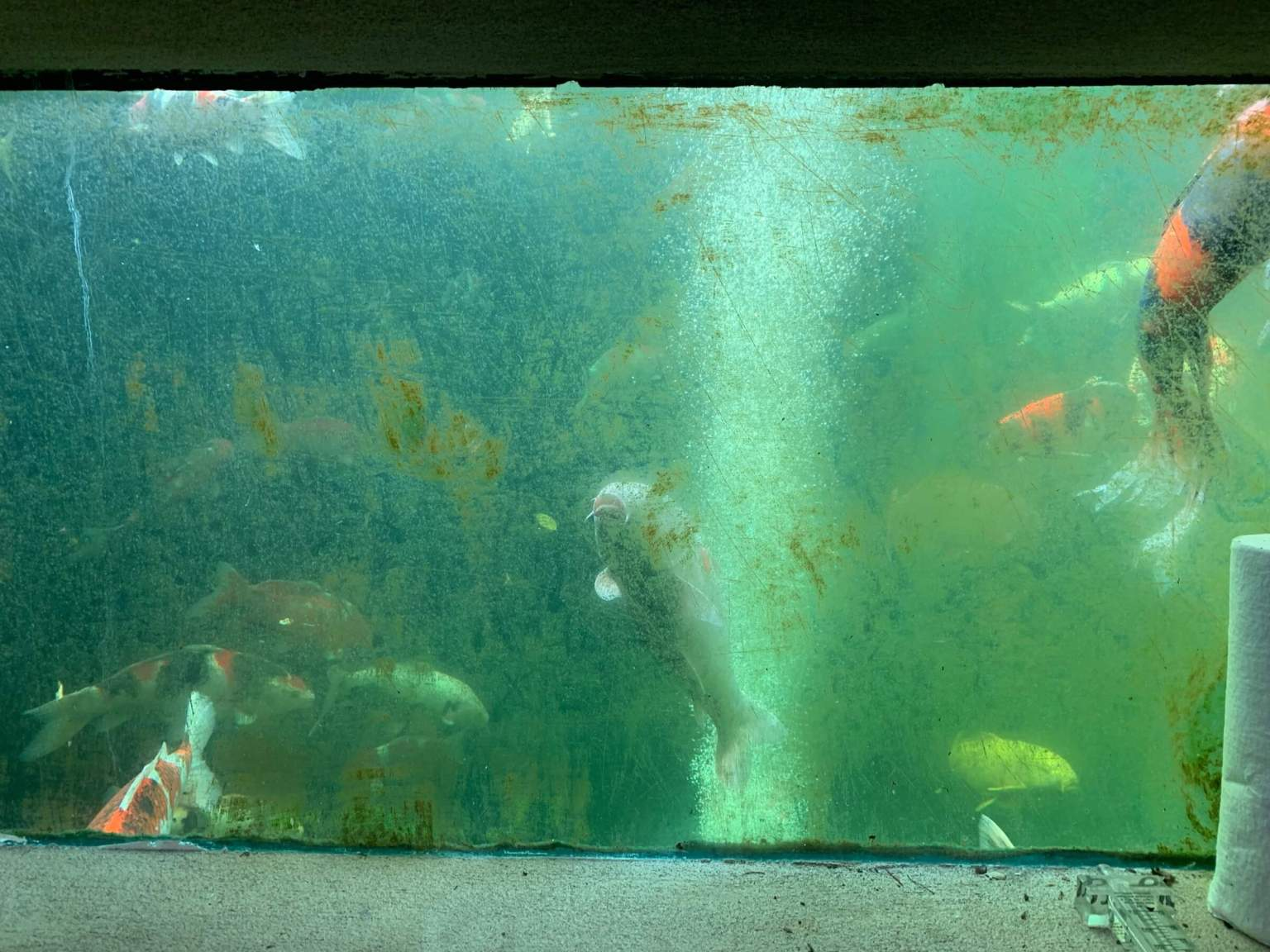
- Algae blooms and green water
- Sludge and debris buildup
- Poor water circulation
- Fish health issues
Our professional pond maintenance services help prevent these issues while keeping your pond clear, healthy, and visually stunning.
BOOK APPOINTMENTProfessional Koi Pond Cleaning, Maintenance & Repairs
A beautiful pond requires consistent care. Without proper maintenance, ponds can quickly develop algae buildup, murky water, clogged filters, and unhealthy fish. At A1 Koi Ponds, we provide professional pond maintenance services to keep your water feature clean, balanced, and thriving all year round. From routine pond cleaning and water treatments to pump repairs and seasonal maintenance, our experienced team ensures your pond remains a healthy environment for koi fish and aquatic plants.
Whether you need regular pond maintenance or a complete pond clean-out, we’re here to help.
👉 Schedule Your Pond Maintenance Service TodayOur Pond Maintenance Services
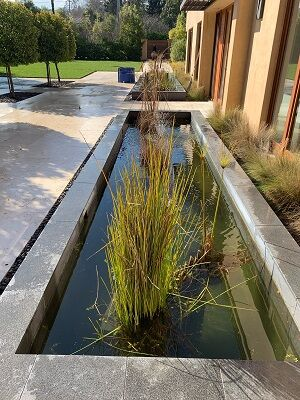
Complete Pond Cleaning
Over time, ponds collect leaves, fish waste, and organic debris that affect water quality.
Our pond cleaning service includes:
- Removal of sludge and debris
- Deep cleaning of pond liner
- Cleaning rocks and waterfalls
- Water clarity restoration
This process restores the beauty of your pond while improving water health.
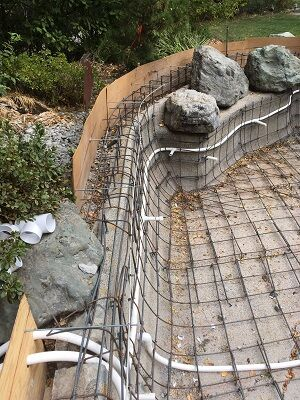
Koi Pond Maintenance
Koi ponds require specialized care to maintain proper water balance and fish health.
Our koi pond services include:
- Fish health monitoring
- Water testing and treatment
- Nutrient balance adjustments
- Routine pond inspections
Regular koi pond maintenance helps protect your fish and keeps your pond ecosystem stable.
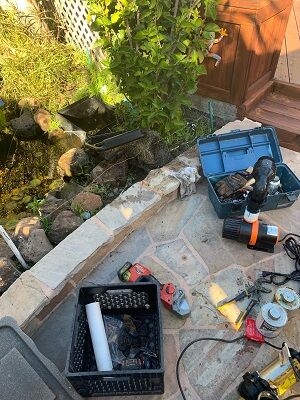
Pond Pump & Filter Maintenance
Your pond equipment plays a critical role in maintaining clean water.
We inspect and service:
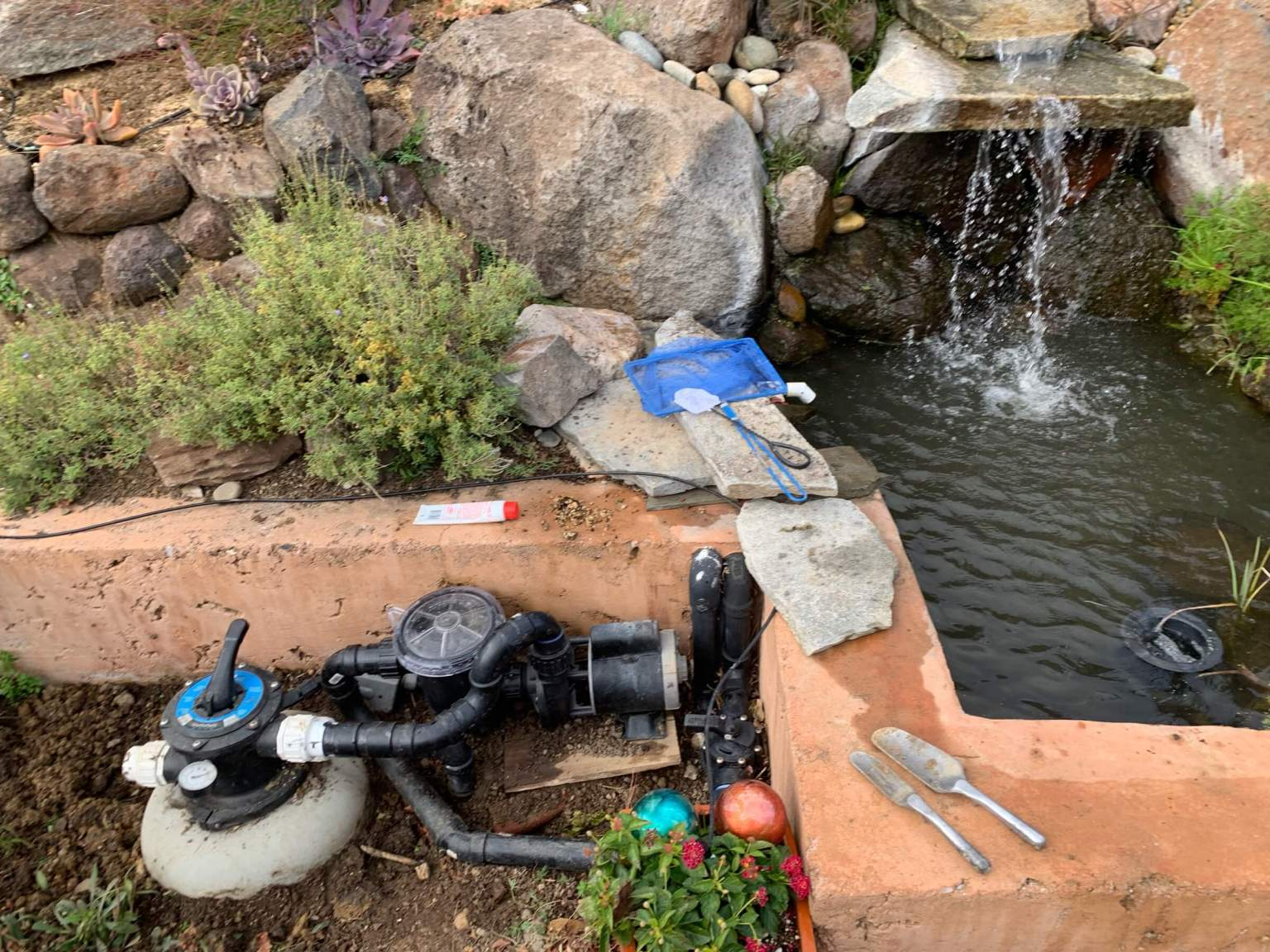
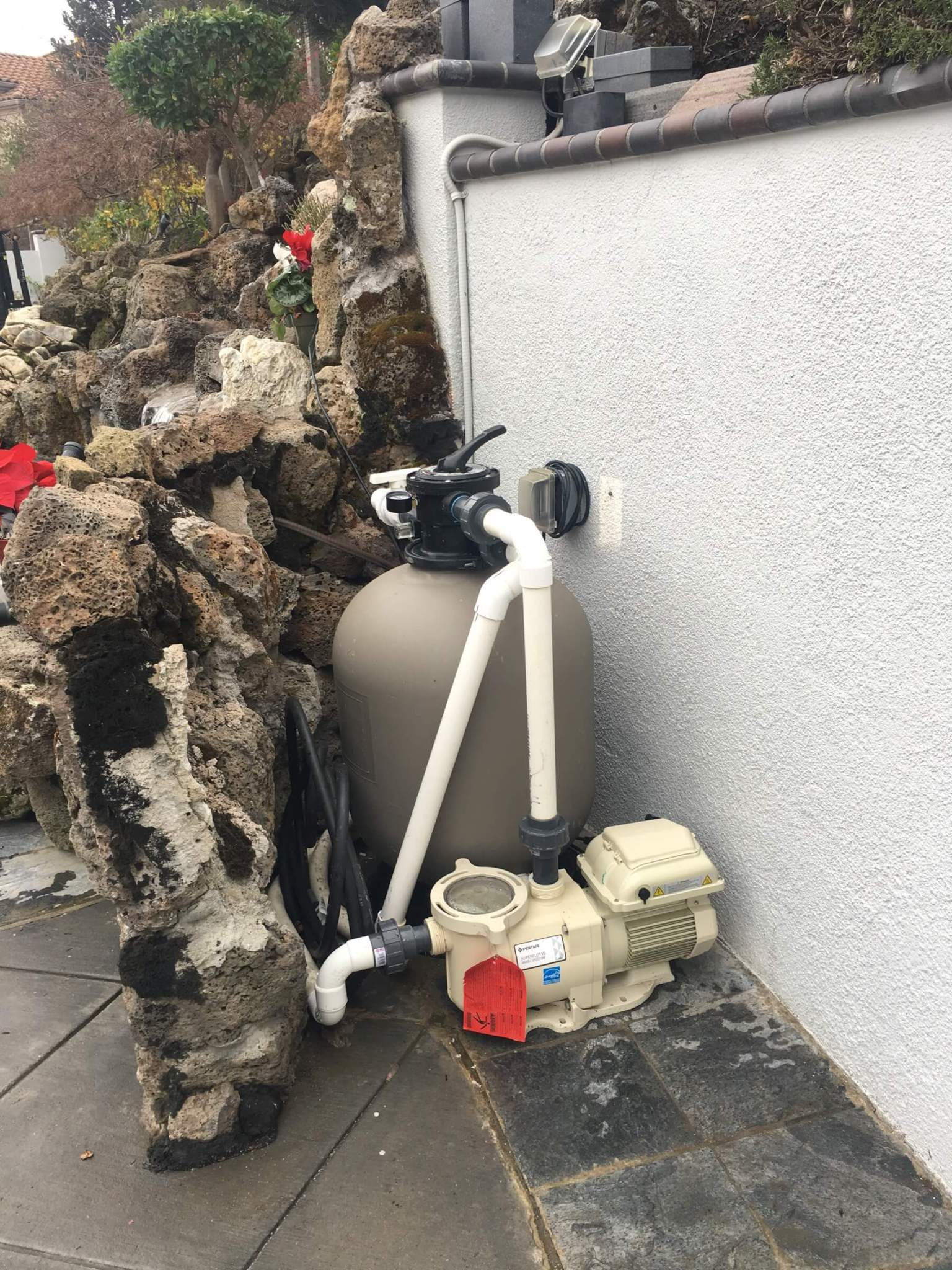
- Pond pumps
- Filtration systems
- UV clarifiers
- Plumbing and water circulation systems
Proper equipment maintenance helps prevent costly repairs and ensures optimal performance.
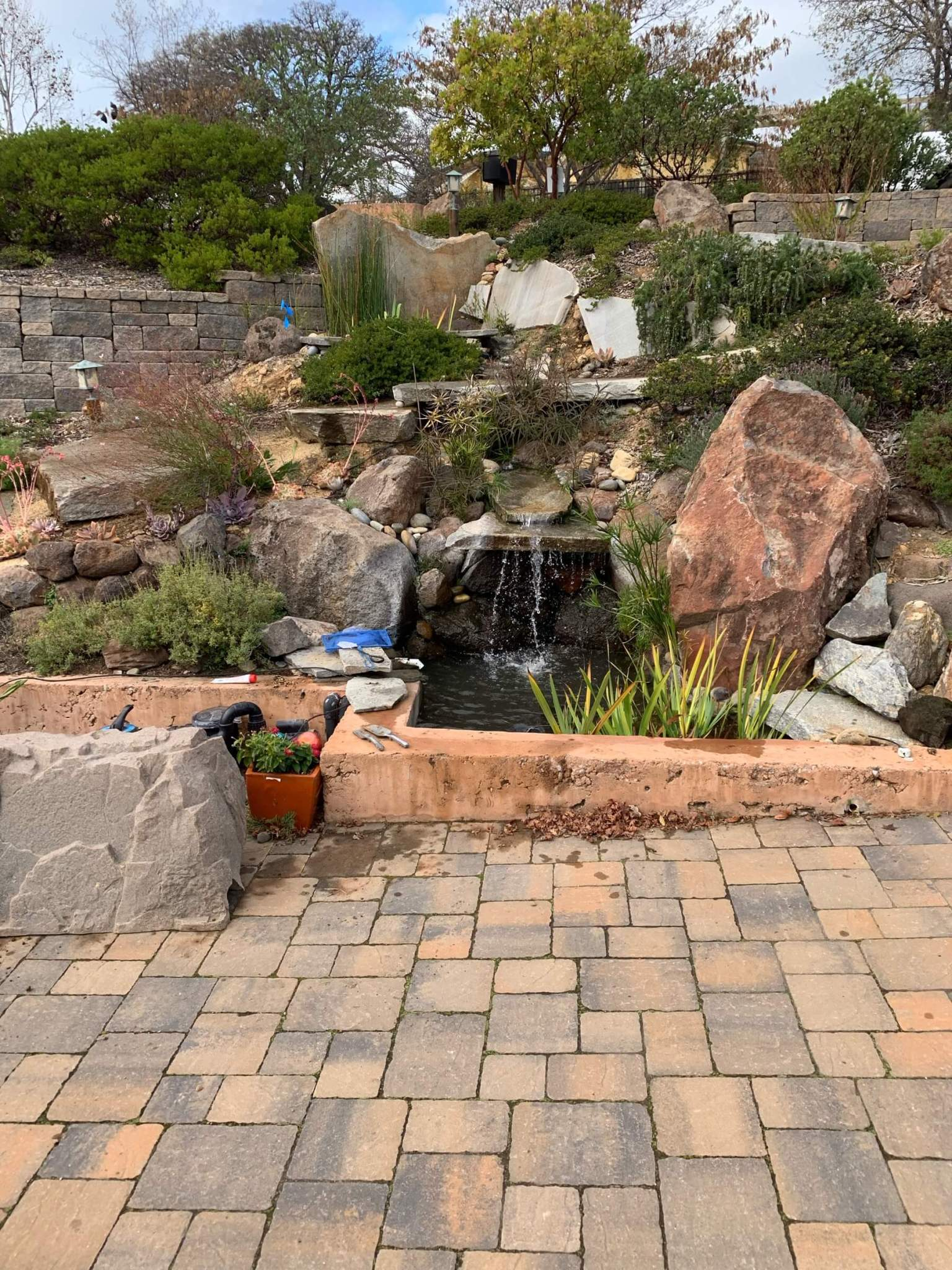
Seasonal Pond Maintenance
Different seasons require different types of care. Our seasonal services keep your pond in excellent condition year-round.
Spring Pond Cleaning
Prepare your pond for the warmer months with a full cleaning and equipment inspection.
Summer Pond Maintenance
Control algae growth and maintain water quality during peak season.
Fall Pond Preparation
Remove leaves and organic debris before winter arrives.
Winter Pond Care
Protect fish and equipment during colder temperatures.
Ponds We Maintain
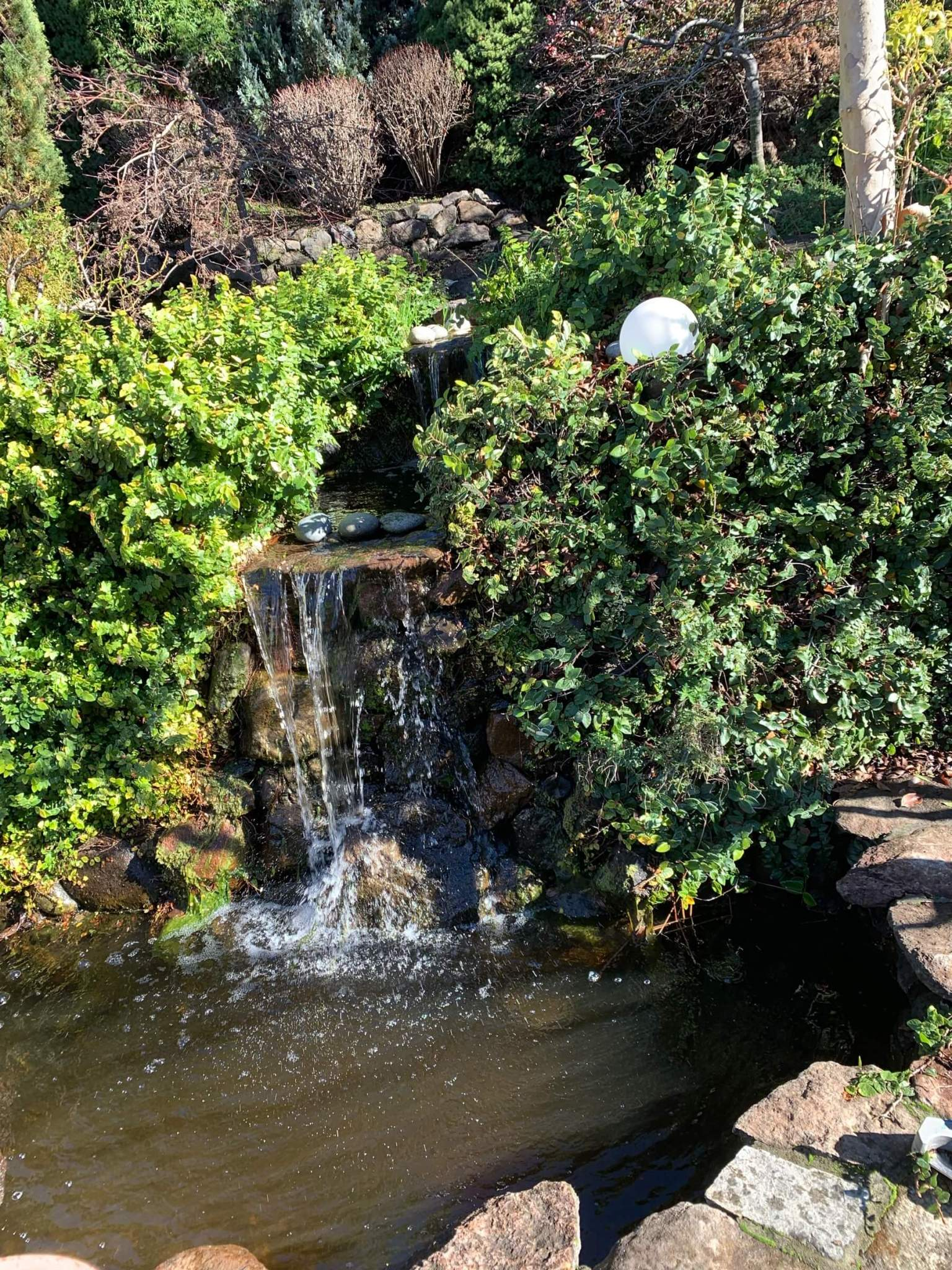
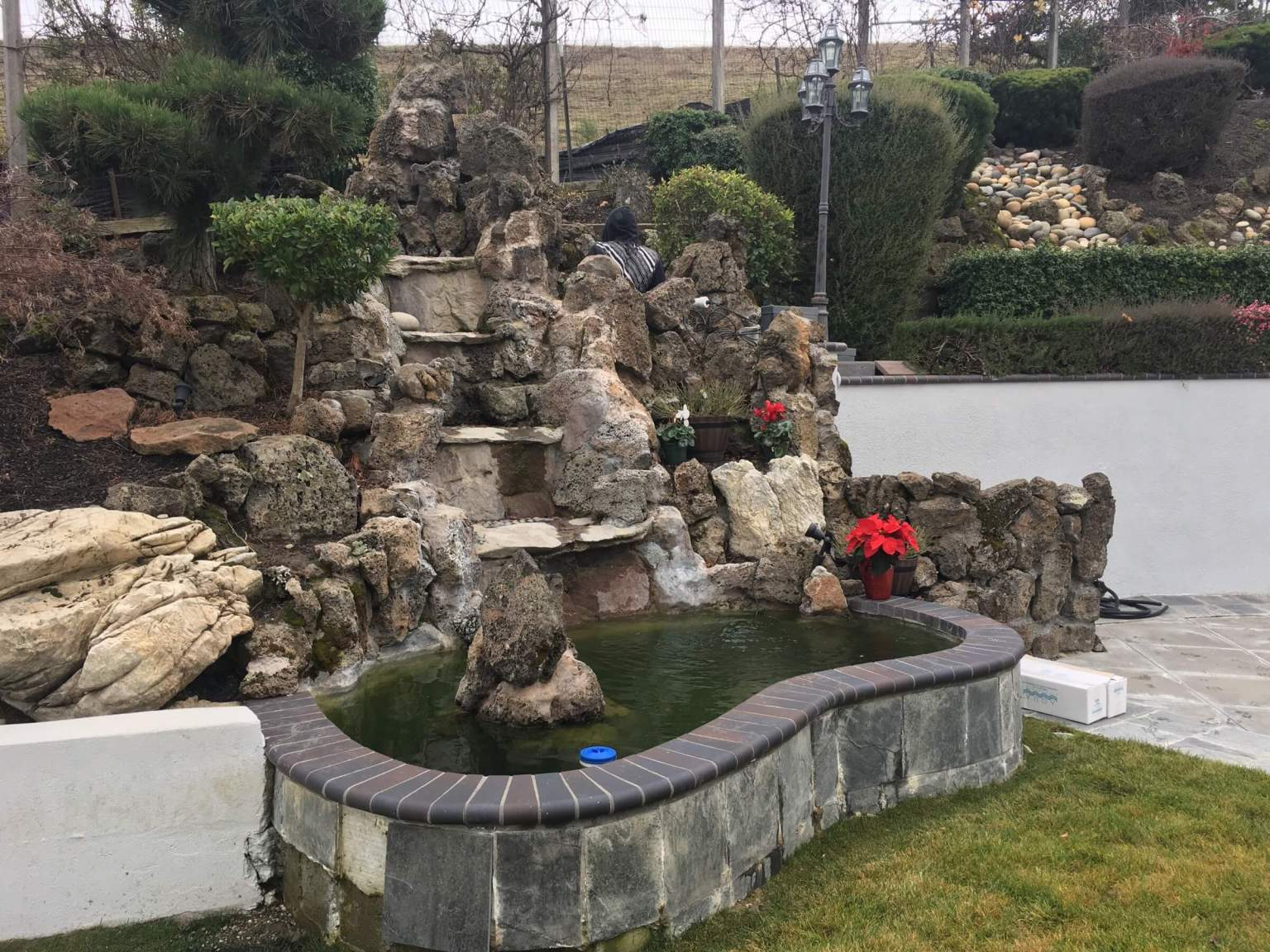
Our professional pond maintenance services are available for:
- Backyard koi ponds
- Garden ponds
- Decorative water features
- Landscape ponds
- Commercial ponds
No matter the size of your pond, our team can keep it healthy and beautiful.
Algae Control & Water Treatments
Algae growth is one of the most common pond problems.
Our specialists provide safe and effective solutions including:
- Algae removal
- Water treatments
- Nutrient balancing
- Preventive algae management
These treatments restore water clarity and maintain a healthy pond ecosystem.
Benefits of Professional Pond Maintenance
Choosing professional pond care offers many advantages:
✔ Crystal-clear water
✔ Healthier koi fish and aquatic plants
✔ Longer lifespan for pumps and filtration systems
✔ Reduced algae and sludge buildup
✔ Less stress and work for pond owners
Our team ensures your pond remains a relaxing and beautiful feature in your outdoor space.
How Often Should a Pond Be Maintained?
Most ponds benefit from monthly or seasonal maintenance, depending on:
- Pond size
- Fish population
- Filtration system
- Surrounding trees and environment
We can recommend a custom pond maintenance schedule based on your pond’s specific needs.
Schedule Your Pond Maintenance Service
Keeping your pond healthy and beautiful doesn’t have to be difficult.
Let the experts at A1 Koi Ponds handle the cleaning, maintenance, and repairs so you can simply enjoy your pond.
👉 Contact Us Today to Schedule Your Pond MaintenancePond Installation Galleries
Best Selling Item