
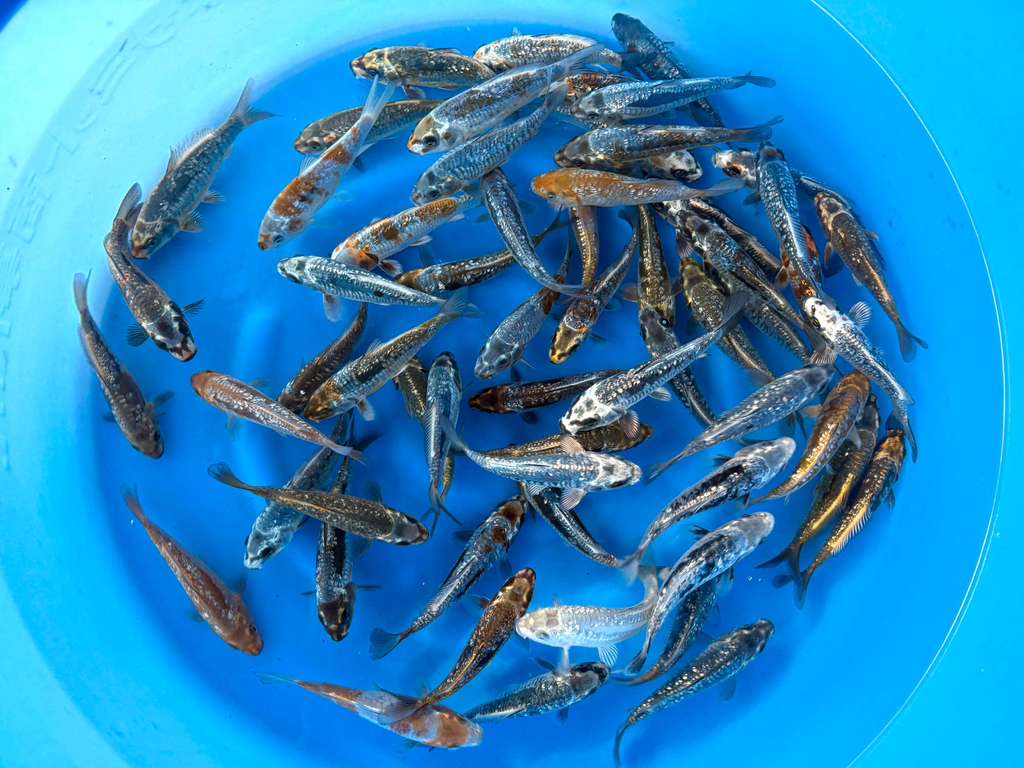
How to Tell the Gender of a Koi Fish Like a Pro (Complete Guide)
Determining the gender of a koi fish can be challenging, especially for new koi keepers. Male and female koi often look very similar when young, but as they mature, they develop clear physical and behavioral differences. Knowing whether your koi is male or female is important for breeding, pond population planning, and overall koi health management.
This guide explains how to identify the gender of koi fish using simple visual markers, behavioral cues, and expert techniques.
Why Koi Gender Identification Matters
Before learning the differences, here’s why gender identification is useful:
-
Helps you plan for breeding
-
Prevents overcrowding in the pond
-
Helps manage aggression between males
-
Useful for setting up proper koi pairings
-
Ensures better health monitoring for egg-carrying females
With the right knowledge, anyone can spot the differences between male and female koi.
How to Tell Male and Female Koi Fish Apart
1. Body Shape and Size
Female koi fish generally have:
-
A rounder, fuller, and wider body, especially during breeding season
-
A more even, symmetrical shape
-
A larger and heavier appearance
Male koi fish often appear:
-
More slender and streamlined
-
Narrower from top view
-
Slightly smaller, especially in older fish
As koi mature, body shape becomes one of the easiest gender indicators.
2. Fin Shape and Structure
The fins tell a lot about koi sex.
Male koi:
-
Have larger, more pointed pectoral fins
-
Fins may appear thicker or stiffer
-
The colors on the fins are often stronger and more distinct
Female koi:
-
Have rounder, smaller pectoral fins
-
Fins feel softer and more flexible
This difference becomes clearer in koi older than one year.
3. Vent (Anal Opening) Differences
Examining the vent area is one of the most accurate ways to identify koi gender.
Female vent characteristics:
-
Larger and more pronounced
-
Slightly protruding
-
Often more rounded in shape
Male vent characteristics:
-
Smaller and tighter
-
More elongated or oval-shaped
-
Flat against the body
This method is popular among breeders because it is reliable for mature koi.
4. Behavior During Breeding Season
Koi behavior changes noticeably during spawning season.
Male koi behavior:
-
Become more active and chase females
-
May lightly bump or nudge the female’s sides during courtship
-
Display competitive behavior with other males
Female koi behavior:
-
Become slower and less active
-
Display a round, swollen abdomen due to eggs
Observing koi during breeding is one of the easiest ways to confirm gender.
5. Tubercles on Males
During spawning season, male koi develop small white bumps, known as tubercles, on:
-
Gills
-
Pectoral fins
-
Head region
These rough, sand-like bumps are a clear sign of a male koi ready to breed.
Females do not develop tubercles.
6. Size Differences in Mature Koi
In many cases:
-
Female koi grow larger and heavier
-
Males remain slimmer and shorter
Size alone isn’t a perfect indicator, but it supports other signs.
When Can You Accurately Identify a Koi’s Gender?
Koi under 1 year old are extremely difficult to sex.
Most koi experts recommend waiting until the koi is 2–3 years old for reliable gender identification.
By this age, koi have:
-
Established body shapes
-
Mature fin structure
-
Clear vent differences
-
Noticeable breeding behavior
Tips for Safely Examining Your Koi
If you need to handle your koi for vent inspection:
-
Use a soft, fine-mesh net
-
Calm the fish before lifting
-
Keep hands wet to protect scales
-
Avoid prolonged handling
-
Use a shallow inspection tub if possible
Safe handling ensures your koi remain stress-free and healthy.
Final Thoughts
Learning how to tell the gender of a koi fish is an essential skill for any koi pond owner or hobbyist. By paying attention to body shape, fins, vent structure, and breeding behavior, you can confidently identify whether your koi is male or female. This knowledge helps with better pond management, breeding preparation, and long-term koi care.